HOA & condo association insurance built around the property, board, and responsibilities behind the community.
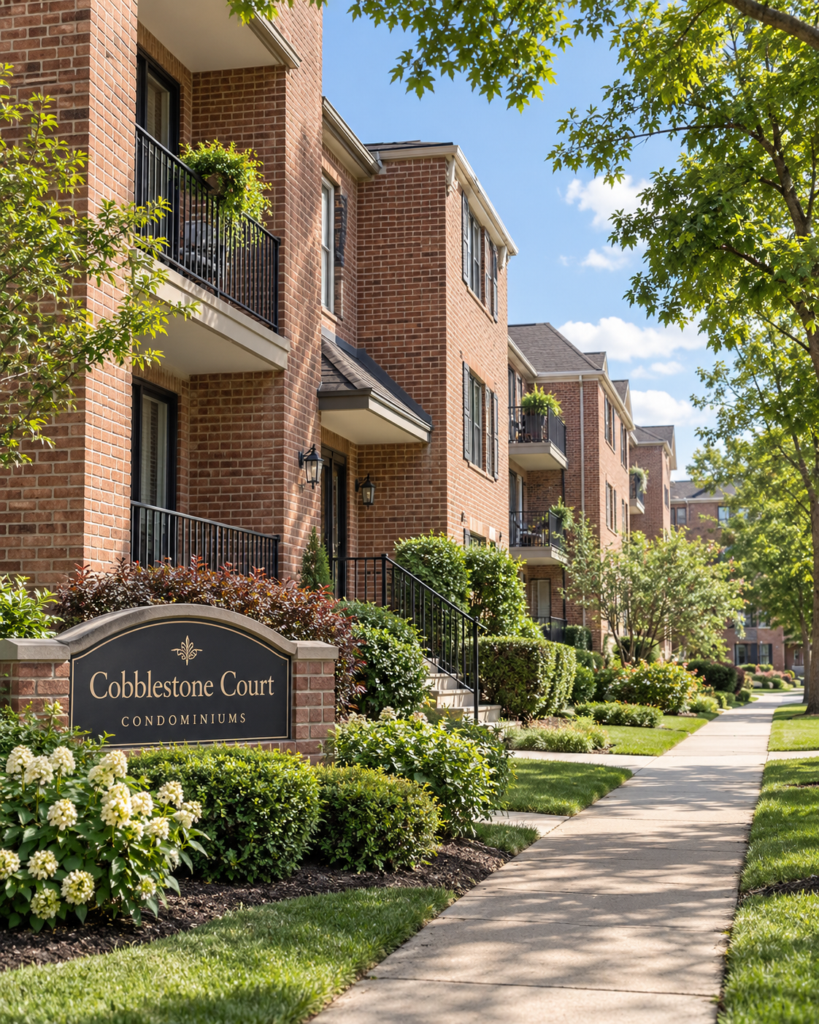
Start with the property, liability, and board exposures the association is responsible for.
Protect the property the association is responsible for.
Protect against claims arising from common areas and association operations.
Protect the people making decisions for the association.
The declarations page is only part of the answer. The governing documents matter too.
The master policy needs to match the association’s responsibility.
Replacement cost needs to reflect the actual property.
Deductibles and unit-owner responsibility can create unexpected gaps.
Two associations can look similar and still need very different insurance.
Condominium Master Policies
Homeowners Associations
Common Areas & Amenities
Directors & Officers Liability
Crime & Fidelity
Flood, Equipment Breakdown & Excess Liability
You don’t need another master-policy quote. You need someone who understands what the association is actually responsible for.
More than one market. More than one way to protect the association.
Performance recognized. Recommendation still independent.
Common questions boards should ask about the master policy.
1. What does a condo association master insurance policy cover?
The answer depends on the association’s governing documents and property structure. A master policy may cover association-owned buildings, common elements, fixtures, equipment, general liability, and other property the association is responsible for. Individual unit owners generally still need their own insurance for property and liability that fall outside the association’s responsibility.
2. How do governing documents affect HOA and condo association insurance?
Declarations, bylaws, plats, maintenance responsibilities, and other governing documents can help determine what property the association is responsible for insuring and where the individual owner’s responsibility begins. Those documents should be reviewed when structuring or evaluating the master policy.
3. How much property insurance should an HOA or condo association carry?
Property limits should generally be based on the cost to repair or replace the property the association is responsible for—not simply market value or the number of units. Construction type, square footage, finishes, mechanical systems, common structures, local construction costs, and ordinance or law requirements can all affect the appropriate limit.
4. How can master-policy deductibles affect the association and unit owners?
Large property, water, wind, or named-storm deductibles can create significant out-of-pocket exposure after a loss. The association should understand how its deductibles work and review the governing documents to determine whether and when any portion of a deductible may become the responsibility of individual unit owners.
5. Does an HOA or condo association need directors and officers liability insurance?
Directors and officers liability can help protect the association and board members against certain claims involving governance, elections, assessments, covenant enforcement, contracts, management decisions, and other board activities. It addresses different exposures than general liability coverage.
6. Should an association carry flood, crime, cyber, equipment breakdown, or umbrella coverage?
Potential needs depend on the community. Flood may require separate coverage, association funds can create crime and fidelity exposures, technology and financial transactions can create cyber risk, mechanical systems may require equipment breakdown coverage, and umbrella or excess liability may be appropriate when higher liability limits are needed.